
Next Kid Down
ecommerce / circularity / community
end-to-end mobile app and desktop website
designing a circular ecommerce experience for kids' apparel
Constantly buying new clothes for rapidly growing kids is costly and unsustainable. Next Kid Down lets parents swap or thrift apparel, extending garment life, making wardrobe management more affordable, and fostering community in new ways.
Duration
4 Weeks
Role
UX Design, Research, Branding
Tools
Figma, Miro, Photoshop, Illustrator
opportunity
to help parents reduce textile waste, save and make money, create a community, and receive style guidance
Problem
Children outgrow clothes rapidly, and parents often purchase new clothing frequently. Parents need a way to reduce costs without sacrificing convenience, while also mitigating textile waste.
Solution
Next Kid Down helps parents give their kids’ wardrobes a new life, earn money from unwanted clothing, and connect with like-minded parents.
Outcome
Through this app, garments could be worn 2–3x more than average; parents could save ~$800 annually; and the percentage of parents who clothe their children in secondhand items could rise from 35% to 65%.
AT A GLANCE

RESEARCH
The number of times a garment is worn has declined by 35% in the last 15 years.
Competitive Market Analysis
I analyzed competitors’ buy-and-sell flows. This app will keep buying and selling flows visible at all times, creating a shared shopping experience for parents and kids while fostering community and social interaction
Hand Me Up
monthly mailed bundle subscription
prepaid label upon donation
parent reviews

Kid to Kid
In-person marketplace
Earn-back value system
no online inventory


Poshmark
poshmark community online
clear buyer-seller processes
inventory with product and seller info

Vinted
rating system available
seller info and messaging
search by location and detailed filters
“I don't know how to style my kids in a way that is true to them.”
“It's a lot of work to do the responsible thing with purchasing children’s clothes.”
“With a short turn-over, buying kids' clothes is so frequent and costly.”
Target Users
- Parents with children ages 0-14 who are mainly responsible for their apparel shopping;
- Parents who are active buyers (monthly or quarterly);
- Parents currently buying second-hand, thrifted clothing or would consider it.
Method
In-depth interviews with users to explore their current art habits, motivations, and challenges with fitting creative practice into their daily routines.
Key Insights
Guidance & Personalization
Parents value personalized profiles, help curating outfits and style advice.
Barriers to Thrifting
Access to hand-me-downs is hard due to family logistics or skepticism.
Desire for Community
Parents seek interaction, support groups and online community help.
Affordability & Sustainability
Parents are motivated through selling and a reward/value-back system.
Convenience First
Parents want ready-made sets, simple filters, and mobile-friendly platforms.
Trust & Reliability
Rating systems, reviews and passing standards increase trust.
DESIGN PROCESS & ITERATION
Onboarding

Home

Buy


Sell

Hub


User Feedback
"The search filter is a good. How can I save it though?"
"What if I want to buy and match something from my existing wardrobe?"
"The Match feature is amazing! It is currently buried under the Hub."
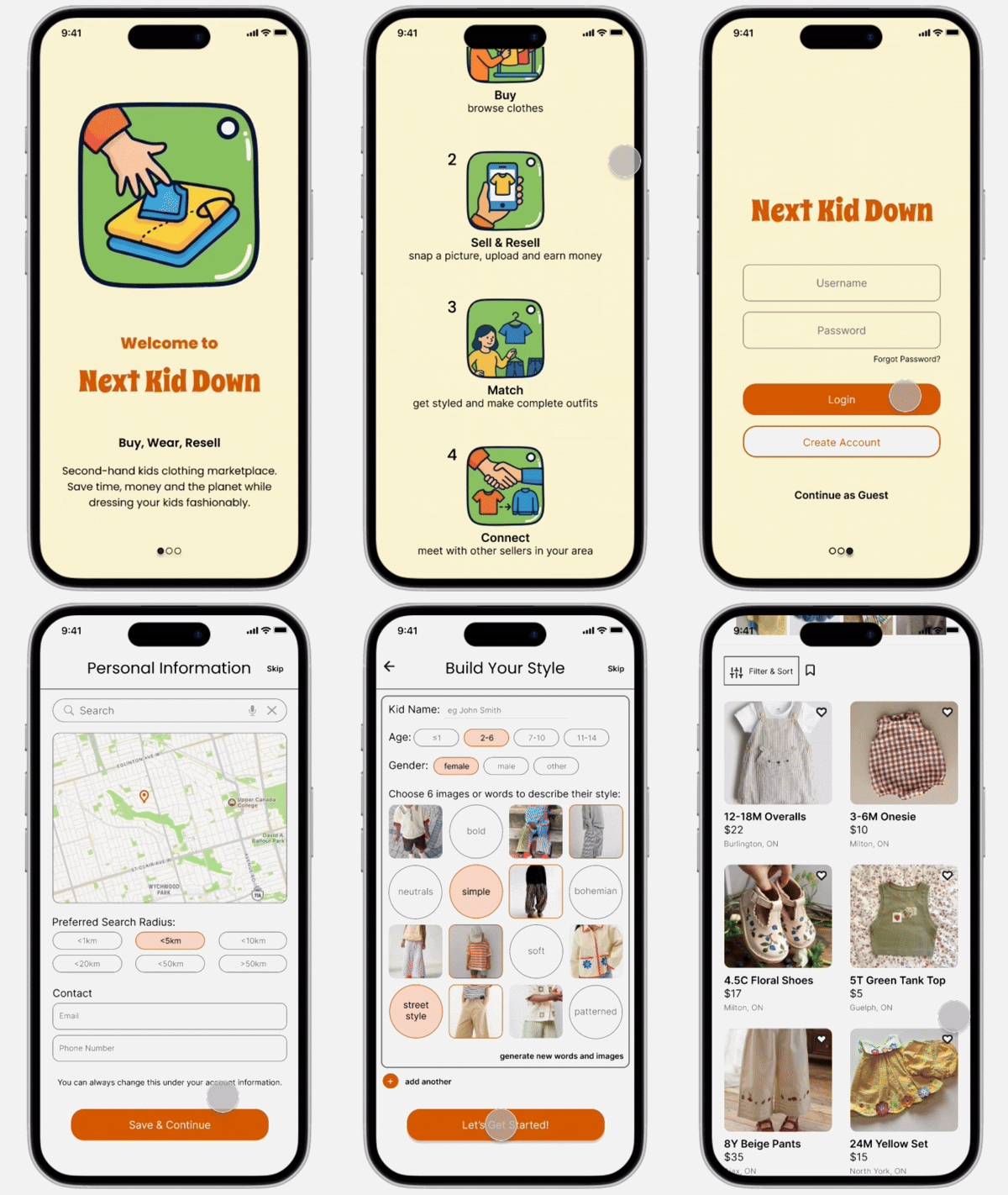
Onboarding
- Allow refresh of new images and words.
- Include field for name for more than one kid.
- One child setup; option to add more later.
Buy
- Add "Recently Viewed" and "Delivery Type".
Sell
- Show list of published & unpublished items.
Match
- Add keywords to help generate matches.
- “Add from Gallery” (to match with existing items) and “Add Another Item ” (for multiple matches at once).
- Besides blogs, add images, look books and saves.
Hub
- Users wants to add their own blogs and chats
- "Search Address" under map to change location
New Site Map

- Homepage has been removed.
- Listing board has been added.
- Match feature to help generate outfits added and distinguished as its own page.
- Visual inspiration moved under Match to help with putting outfits together.
- Hub becomes a focused community space.
SOLUTION


From Mobile to Web

REFLECTION
What I Learned
Include multiple features without overwhelming the app or the user.
Provide several entry points to a page can feel clearer in theory, but may confuse users.
Sustainability projects are more engaging and successful when they include a social component.
What I Would Do Differently
Conduct more interviews with older kids who may be the direct users of the app.
Run user testing earlier to review the desire for a bundled clothing subscription.
Design a better reward or value-back system to further circularity and longer clothing cycles.
Next Steps
Experiment with AI to improve outfit-matching generation.
Review the many features provided, prioritize and release them in phases accordingly.
Adapt the design for tablets, the familiar shared device for kids and parents.